
The Lightbulb Masterclass™ Series
Lighting the path of understanding
IMPROVISATION:
FIGURING IT OUT
Includes:
- 30 Minute Instruction With Q&A
- Step-by-Step PDF Provided
The Lightbulb Masterclass™ Series
Lighting the path of understanding
IMPROVISATION:
FIGURING IT OUT
Includes:
- 30 Minute Instruction With Q&A
- Step-by-Step PDF Provided
Don't try and fake it 'till you make it - study and skill is your buddy!
The Lightbulb Masterclass™ Series lights the path to begin using the best methods from the learning science, that few understand, in a way anyone can use. The way learning works best is very different than the ways we’ve been led to believe.
These are no-fluff, all-learning, all understandable, quick-hit 30-minute lectures followed by Q&A. PDF resources and recording included. You’ll get more than 15% off the price than when the recording is published on the website, and you’ll get to be part of it in the live event.
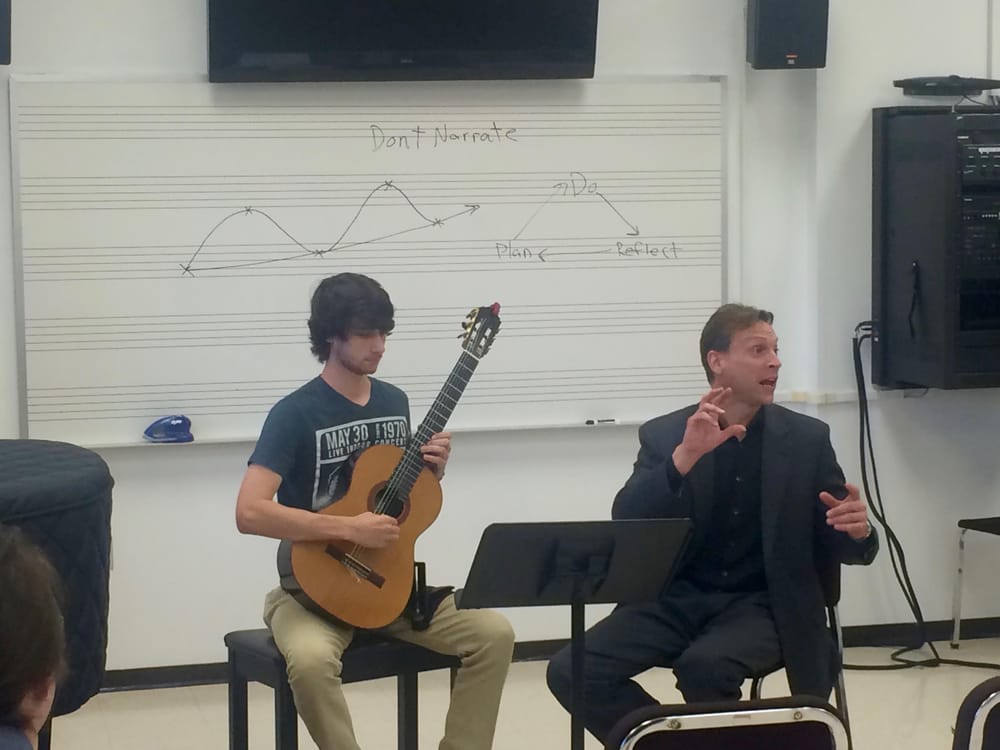
I'm excited to announce the latest installment of The Lightbulb Masterclass™ Series! This time we will take the mystery of improvisation out of the shadows and into our playing.
There are specific reasons this eludes us that nobody seems to understand in teaching. Actually, some do, but can't teach it effectively.
Hey - those who can do, and those who know how it is done teach. Those who can do both have mastered two different, and equally complex, skill sets.
By applying my exclusive Cognitive Load Reduction Protocol™ (CLRP™) you will, for the first time, get past that barrier that keeps you from getting on the train leaving the improvisation station.
Will you become John Coltrane, Eddie Van Halen, Bill Evans or B.B. King in a month? Of course not, and neither did they.
But dig this hip cat, you can do what they did - get on the road to competently improving your skills every time you sit with your instrument all while being creative and motivated.
CLRP™ allows for group instruction that reaches everyone, so that any one at any level of skill or knowledge can be brought in and start learning. At the same time advanced learners will find their areas of need uncovered and quickly improved.
In this installment of the LMS, we turn our attention to one of the most foundational, useful, easiest, and least used things we can use to improve in practice - contextual interference.
In music, and in life, we tend to think that repeating something over and over, as accurately as possible, is the way to flowing/easy performance.
Did you know that each time you repeat something the same way in practice it has less and less benefit to your improvement? A lot less. These repetitions lose value almost immediately. Then every day you do it you get even less.
Any wonder why repeating something over and over for days and weeks doesn’t get you there?
What you will do is progress by quickly assimilating the basics and building your creative process (that is right, creativity is a learned process. CLRP™ allows us to get it started).
Building basic creativity is much more fun and engaging than struggling with more advanced concepts we’re not ready to master.
And I’ll teach you how to do it.
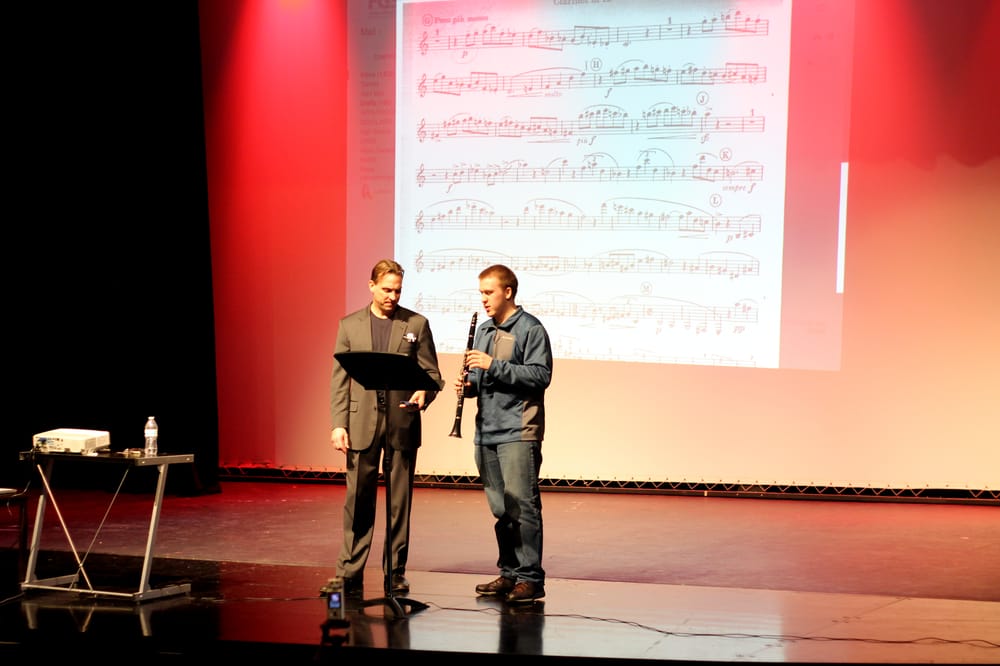
The missing part, the place the light should be shining, is on the very beginning steps of creativity. Then, apply the elements of the learning sceince to most efficiently learn the steps and away we go.
That is what I’ve spent decades learning to do.
Have you ever heard of learning to play trouble spots with dotted rhythms, other crazy rhythms, single-hand practice, melodic sequences, whatever? They work really well very quickly then stop working once we use them a bit.
Whoever is sharing those things with us is not giving us the most basic information to make real use of this - that we must continue to vary what we are doing as soon as we start getting good at the one we are learning!
And we don’t need to get really good at each of these. Just getting them close works fine, so we need to know when to move on.
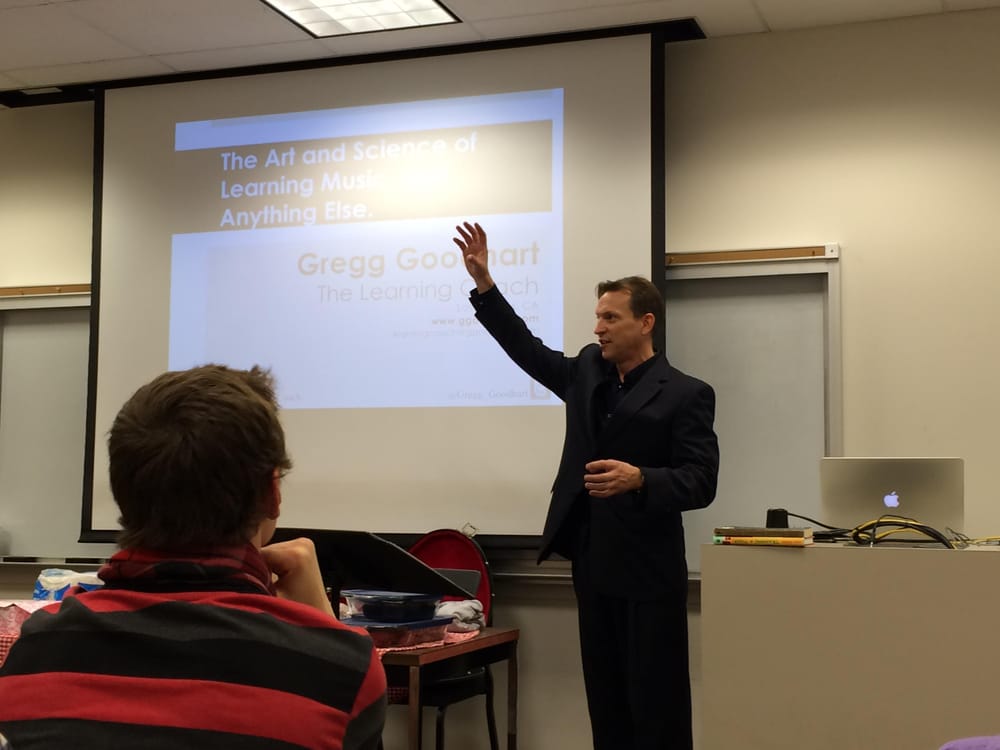
By using both cognitive and neuro science research we can go into our practice with specific learning interventions that address the real and specific areas that have been causing confusion.
I will explain the why and the how of all of this in ways nobody else is doing.
I know, I know, everyone is talking about how they use science for learning. I see the ads on Facebook and the claims. All I’ve seen so far is marketing hype serving business first and learning tenth, and many times folks who have not bothered to read the research they are talking about.
I have been passionate about figuring out the learning puzzle for decades, it had nothing to do with starting a business. 15 years ago that led me to the science of learning.
My goal has always been a deep knowledge of the learning science through years of study.
By doing what other teachers won't I learned do what other teachers can't.
I knew I had to share it beyond my school teaching, so here we are.
Please join us for...

That is what I want to teach you in the next installment of the Lightbulb Masterclass™ series -- the things I’ve learned about the creative application of Contextual Interference for a lifetime of use.
Because we don’t know how the underlying systems work we cede control of their quality to someone else. We get little drips and drabs of tips and tricks.
Let’s learn the key to it all, shall we?

MUSICIANS AT EVERY LEVEL ARE SEEING RESULTS
Better practice works at every stage of the musical journey:
Dedicated musicians

“…the method, and then the process made me a believer in about half an hour…and I have to admit the progress has been very encouraging. A summer in Aspen didn't fix some of the problems I've begun to truly remedy in just a week 'feeling the blearn.'”
“…the method, and then the process made me a believer in about half an hour…and I have to admit the progress has been very encouraging. A summer in Aspen didn't fix some of the problems I've begun to truly remedy in just a week 'feeling the blearn.'”
AND THE EXPERTS AGREE
Dr. Eliza Jeffords
Director of Strings, Texas Lutheran University
“When he has students experience what it feels like to get better than they ever thought they could, and how to do more and more of it in their practice, there is an excitement that runs through them, and fuels the kind of work any teacher wants in their students. Highly recommended!”
Gary Radler
Clinical Psychologist, Australia
“As a psychologist, I can say he is certainly on the money when it comes to incorporating the latest neuropsychological research findings into his work.”

Gregg Goodhart - Copyright © 2026 - All Rights Reserved - Privacy Policy